
Best Firewood for a Fireplace: A Sweep's Guide to Species & Seasoning
Not all firewood burns the same. Here's the sweep's ranking of species, how long each takes to season, and what to never burn.
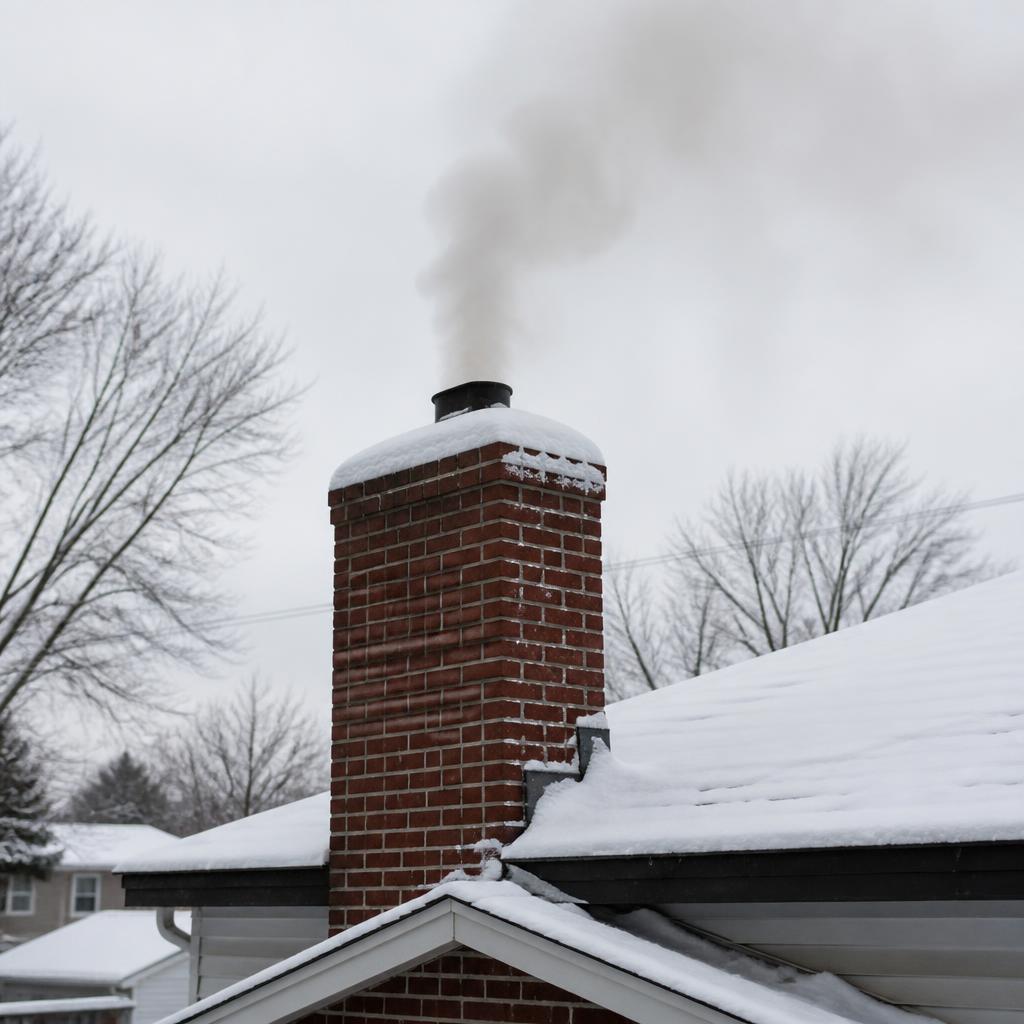
Half the "smoky fireplace" and "creosote problem" calls we take every winter come down to one thing: wet or wrong wood. Here's the sweep's take on what to burn, what to season, and what to leave in the yard.
The one number that matters: moisture content
Everything else is secondary to moisture. Firewood should read 15–20% moisture on a pin-type meter (about $25 at any hardware store). Above 25% and you're paying to boil water; below 12% and it burns too fast.
Fresh-cut ("green") wood is 40–60% moisture. Seasoning removes that water. There is no shortcut — no matter what the species.
The A-list: dense hardwoods
These are what you actually want in the stack. High BTU per cord, long clean burns, low creosote.
- Oak — 24–28 million BTU/cord. Seasons in 18–24 months. The gold standard.
- Hickory — 27–28 million BTU. 12–18 months. Best coal bed on this list.
- Sugar maple — 24 million BTU. 12 months. Clean and easy to split.
- Ash — 20–24 million BTU. 6–12 months (the only major hardwood you can burn same-year). Emerald ash borer means lots of ash on the market — take advantage.
- Beech, black locust, apple, cherry — all excellent, similar BTU range.
The B-list: acceptable but manage your expectations
- Birch — 20 million BTU. Burns fast. Great starter wood; not a primary.
- Red maple, elm — 18–22 million BTU. Hard to split (elm is famously stringy).
The C-list: use with care
- Pine, fir, spruce, cedar — 12–16 million BTU. Burns hot and fast, deposits more creosote than any hardwood. Fine for outdoor fires and kindling. Indoors, only in short bursts and with more frequent sweeping (every 1/2 cord).
Never burn indoors
- Pressure-treated lumber — arsenic and copper release toxic fumes
- Painted or stained wood — VOCs, lead risk on older paint
- Plywood, MDF, particleboard — formaldehyde
- Driftwood — salt corrodes metal chimney components rapidly
- Wet or moldy wood — creates more smoke than heat, deposits massive creosote
- Poison ivy, oak, or sumac — the smoke carries the toxic oil
Seasoning done right
- Split before stacking — round logs season 3x slower
- Stack off the ground — pallets or rails
- Top-covered, sides open — tarp only the top 6 inches, let wind through the sides
- South-facing sunny spot if possible
- Check moisture at 6 months, 12 months, and before burn — one meter, freshly split face, three readings averaged
The burn-day habit
Cold flue + wet wood = the smoke problem we get called about most. Prime the flue, use dry kindling, and load the primary logs only after the flue is warm. That single change eliminates 90% of "my chimney doesn't draft right" complaints.
Need Help With Your Chimney or Fireplace?
Live dispatcher, seven days a week — nationwide.